Common problems gardeners face in Fitzrovia mews gardens
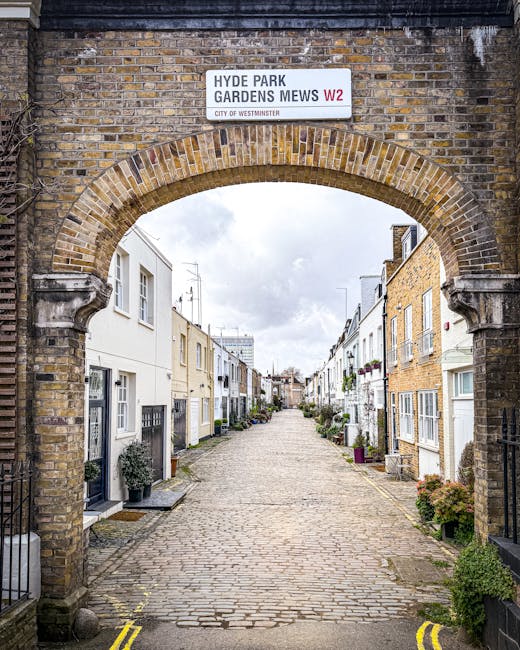
Fitzrovia mews gardens have a charm all their own: tucked-away spaces, brick walls, narrow access, and that slightly private, lived-in feel you only get in central London. But let's be honest, they can be awkward little gardens to maintain. The common problems gardeners face in Fitzrovia mews gardens usually come down to space, shade, drainage, privacy, and the fact that every square metre has to work hard. If you have ever tried to mow a tiny lawn with a hose wrapped around a bin store, you will know exactly what I mean.
This guide breaks down the real issues, why they happen, what good garden care looks like in this kind of setting, and how to avoid the usual headaches. Whether you are a homeowner, landlord, resident, or property manager, it should help you make better decisions and keep the garden looking cared for rather than merely "under control".
Practical summary: mews gardens in Fitzrovia usually need lighter, more frequent maintenance, better drainage awareness, and a smarter planting plan than a typical front or back garden. Get those three things right and most of the day-to-day stress drops away.
Why Common problems gardeners face in Fitzrovia mews gardens Matters
Mews gardens in Fitzrovia are not just "small gardens". They are usually enclosed, visually exposed in parts, and shaped by buildings, walls, paving, shared access routes, and the rhythms of central London life. That means the same planting or maintenance approach that works in a suburban plot often falls flat here. A lawn that looked fine in spring can become patchy and tired by midsummer. A hedge that seemed neat last month can quickly start blocking light or creating complaints from neighbours. Small issues become noticeable fast.
Why does that matter? Because in compact gardens, one neglected corner can affect the feel of the whole space. A bit of leaf build-up near a drain, for example, can turn into dampness, slippery paving, and unhappy plant roots. A plant that outgrows its space can crowd the entire composition. And once a garden becomes hard to access or hard to maintain, people tend to put off the work. That is how "just a little untidy" becomes a bigger job than expected.
There is also a practical property angle. In Fitzrovia, outdoor space is valuable. It needs to look intentional. Even a modest mews garden can feel like a proper extension of the home if it is well kept. If not, it can feel overlooked, cramped, or fussy. Not ideal, to be fair.
How Common problems gardeners face in Fitzrovia mews gardens Works
The problems usually appear as a chain reaction rather than in isolation. Narrow access makes maintenance slower. Slower maintenance means tasks get delayed. Delayed tasks allow weeds, moss, and debris to build up. That then affects drainage, plant health, and the general look of the space. It is a small-garden version of "a stitch in time saves nine", except the stitch is usually a bit of pruning, sweeping, and thoughtfulness.
Here are the recurring patterns gardeners run into:
- Limited access: Tools, waste bags, and materials may need to pass through tight side gates or shared walkways.
- Shade and reflected light: Tall surrounding buildings can create deep shade, while light bouncing off brick or glass can make some areas hotter than expected.
- Compacted soil: Foot traffic and limited soil depth can reduce aeration and drainage.
- Overcrowded planting: What starts as a neat design can become too dense very quickly in a small footprint.
- Hard landscaping wear: Paving, edging, and decking often do more work than the planting, so they show wear sooner.
- Noise and privacy concerns: In close quarters, garden work has to be done with extra care and timing.
If you are dealing with regular upkeep, a structured garden maintenance routine is often more effective than occasional big clear-outs. The same goes for overgrowth, awkward edges, and small build-ups of debris; in compact gardens, consistency matters more than heroics.
What gardeners notice first
Usually it is not the most dramatic issue. It is the little things. A mossy patch on the paving. A flower bed that dries out too fast. A hedge line that looks just slightly off. Then suddenly the whole garden feels less balanced. That is the tricky bit: mews gardens rarely fail in one big obvious way. They drift.
Key Benefits and Practical Advantages
Addressing the typical problems early brings a surprisingly big payoff. In small London gardens, tidy maintenance is not just cosmetic. It affects usability, plant health, and how easy the garden is to live with week to week.
- Better use of space: A clear layout makes the garden feel larger and less cluttered.
- Healthier planting: The right pruning, spacing, and soil care reduce stress on plants.
- Lower long-term effort: Small, regular jobs are easier than rescuing an overgrown garden every few months.
- Improved light and airflow: This helps reduce mildew, damp, and weak growth.
- Cleaner surfaces: Sweeping, jet-wash caution, and moss control keep paths safer and more attractive.
- Better neighbour relations: Thoughtful maintenance keeps boundary issues, overhang, and mess under control.
There is also a design benefit. A well-kept mews garden can make a building feel calmer and more finished. You notice it in the morning, especially on those grey Fitzrovia days when a tidy green space feels like a quiet reset before the day gets busy.
If you are planning a larger refresh, landscape gardening and landscaping services can help reshape awkward layouts, improve planting structure, and solve practical access or drainage issues in a more permanent way.
Who This Is For and When It Makes Sense
This topic matters if you are responsible for any garden that is compact, enclosed, or tucked behind a mews frontage in Fitzrovia. That includes:
- homeowners who want a garden that feels usable rather than cramped
- landlords preparing a property between tenancies
- busy residents who need reliable, low-fuss upkeep
- managing agents looking after shared outdoor spaces
- people with mature planting that has got a bit unruly over time
It also makes sense if you have already noticed recurring issues such as water sitting on the patio after rain, plants flopping into paths, hedges shading the whole garden, or a lawn that seems permanently patchy. Those are often signs the garden needs a better system, not just a harder gardener.
Truth be told, a mews garden usually benefits from someone who can think a step ahead. Not just "what needs cutting today?" but "what will this look like in six weeks if nobody touches it?"
Step-by-Step Guidance
If you are trying to get on top of the usual issues, a structured approach saves time and reduces mistakes. Here is the practical version.
- Start with an honest assessment. Look at light, drainage, access, soil condition, and which areas feel cramped. Do not assume the worst problem is the most obvious one.
- Clear clutter and dead material first. Remove fallen leaves, broken stems, old pots, and anything blocking movement. If the space is heavily neglected, garden clearance is often the cleanest starting point.
- Cut back overgrowth carefully. Hedges, climbers, and shrubs can be shaped to open up light and air. In many mews gardens, hedge trimming is less about perfection and more about keeping boundaries readable and plants breathable.
- Check hard surfaces. Look for moss, algae, loose edging, puddling, and trip hazards. A tiny depression in paving can collect water and become a recurring nuisance.
- Review planting density. If plants are fighting for the same space, thin or relocate them. Small gardens need breathing room.
- Improve the maintenance rhythm. Set a realistic schedule for mowing, pruning, sweeping, and feeding. A regular lawn mowing plan works better than irregular, heavy cuts.
- Plan for waste removal. In tight-access gardens, where you put cuttings and how you remove them matters almost as much as the cutting itself.
- Reassess after a few weeks. The garden will tell you what is working. If one corner stays soggy or dark, the solution may need to be structural, not cosmetic.
A useful rule: fix the garden in the order of access, safety, health, then appearance. If you skip straight to "make it pretty", you often end up redoing the work later. Happens all the time.
Expert Tips for Better Results
In compact Fitzrovia gardens, a few smart habits make a huge difference. These are the kind of things experienced gardeners tend to do almost automatically.
1. Choose plants that respect the space
Fast-growing or highly vigorous plants can overwhelm a mews garden before you know it. Better to choose species that stay in proportion and respond well to pruning. In practice, that means fewer constant rescues and a calmer overall look.
2. Prioritise layered interest over crowding
Instead of filling every gap, build the space with a few levels: groundcover, mid-height structure, and one or two focal plants. That creates depth without making the garden feel busy. Busy gardens can feel smaller than they are.
3. Keep an eye on the boundary lines
In mews settings, overhanging growth can become a neighbour issue quickly. A neat line is not just about tidiness; it helps the whole street read as cared for.
4. Work with seasonal light
What looks shaded in winter may get much more direct light in late spring. I know, gardening sounds simple until the sun shifts by a few metres and everything changes. Observe the space across the year before making big decisions.
5. Use maintenance to protect the design
Regular pruning, edging, and surface cleaning preserve the shape of the garden. If you want longevity, treat maintenance as design protection rather than housekeeping.
Small but useful habit: keep a short notes list after each visit or monthly check. One line about drainage, one line about growth, one line about what is annoying you. That tiny habit can save a lot of head-scratching later.
Common Mistakes to Avoid
Most recurring problems in Fitzrovia mews gardens are made worse by a handful of predictable mistakes. The good news? They are avoidable.
- Cutting too much at once: Heavy pruning can shock plants and leave the space looking bare.
- Ignoring drainage until there is standing water: Once moisture issues settle in, moss and root stress often follow.
- Choosing plants for the photo, not the site: A beautiful plant that hates shade or dry soil is still the wrong plant.
- Letting paving become an afterthought: Slippery or dirty hard landscaping can dominate the whole garden experience.
- Overfilling containers: Pots help small gardens, but too many of them make access awkward and watering inconsistent.
- Assuming "small" means "easy": Small gardens are often more precise, not less.
A common one, and this is very human, is waiting until the garden looks bad enough to justify a big clean-up. The trouble is, by then the work is usually more expensive and the results less satisfying. Regular care is dull, yes, but it wins.
Tools, Resources and Recommendations
You do not need a shed full of specialist kit. For mews gardens, practical and compact tools tend to be best.
- Lightweight hedge shears or trimmers: Useful for shaping without overcutting.
- Small rakes and hand forks: Better for tight planting areas and leaf collection.
- Secateurs: Essential for precise pruning and deadheading.
- Wheelbarrow or garden bags: Important where access is limited and waste needs moving carefully.
- Moisture-aware watering setup: Drip-style watering or careful hand watering often suits compact gardens better than broad, wasteful spraying.
- Moss and debris control tools: Keep paths and corners safer and cleaner.
If the garden includes built elements such as raised edges, edging timber, or timber-clad features, it may also help to review decking services if surfaces are worn, slippery, or contributing to drainage problems. Old or badly detailed decking can quietly cause more trouble than it looks like at first glance.
For larger, more neglected gardens, a planned visit from a team offering garden clearance and ongoing garden maintenance can be a sensible way to reset things without trying to do everything in one exhausting weekend.
Law, Compliance, Standards, or Best Practice
For most mews gardens, the main concern is not complex legal compliance; it is safe, considerate, and responsible practice. That said, there are a few things worth keeping in mind in a London residential setting.
- Waste handling: Garden waste should be removed and disposed of properly. If you are hiring help, make sure waste handling is clear in the arrangement.
- Neighbour consideration: Noise, access, and timing matter in tightly packed streets. Early morning disturbance is rarely appreciated.
- Safe working practices: Tools, ladders, and pruning work should be handled with care, especially near hard surfaces, boundaries, or uneven ground.
- Tree and hedge work: Larger growth may need extra caution, especially where branches extend over shared areas or near structures.
It is sensible to work with providers who are clear about their health and safety policy and insurance and safety approach. That does not solve every problem, of course, but it does show they are thinking properly about risk rather than winging it.
For tree work or large overgrowth, a cautious approach is especially important. If a tree is affecting light, access, or nearby structures, tree lopping and removal may be part of the solution, but it should always be assessed properly and not treated as a quick fix.
Options, Methods, or Comparison Table
There are a few ways to deal with Fitzrovia mews garden problems. The right choice depends on how much upkeep you want, how the space is used, and how serious the issue is.
| Approach | Best for | Pros | Limits |
|---|---|---|---|
| Regular light maintenance | Gardens that are already in decent shape | Keeps things tidy, protects planting, avoids big jobs | Does not solve major layout or drainage faults |
| Targeted clean-up and pruning | Spaces with seasonal overgrowth or leaf build-up | Quick visual improvement, reduces pressure on plants | Can become temporary if not followed by a routine |
| Garden clearance | Heavily neglected or cluttered gardens | Resets the space, restores access, creates a blank slate | May remove useful structure if not planned carefully |
| Landscape redesign | Recurring drainage, access, or layout issues | Can solve root causes and improve long-term usability | More involved and usually a bigger commitment |
For many Fitzrovia properties, the sweet spot is a combination: a proper reset, then a maintenance rhythm that keeps the problems from returning. It is rarely about one magic solution. Gardening is annoyingly sensible like that.
Case Study or Real-World Example
Here is a very typical scenario. A narrow mews garden in Fitzrovia has a small lawn, a hedge boundary, a few containers, and a paved seating area. Over time, the lawn becomes patchy because it is shaded for much of the day. The hedge starts leaning into the path. Pots gather on the patio because there is nowhere else to put them. Then moss builds up on the paving after wet weeks, and the whole space begins to feel tighter.
The fix is not to rip everything out. First, the dead material and clutter are cleared. Then the hedge is trimmed back to regain space and light. The lawn is reduced in importance or replaced with a more shade-tolerant groundcover or hardwearing surface. Containers are grouped rather than scattered. The paving gets attention so it is safer and less slippery. Finally, the owner sets a realistic maintenance cycle instead of waiting until the whole place feels out of hand.
The result is calmer, easier to use, and frankly more attractive. Not showy. Just good. And in a mews garden, that is often the best outcome.
Practical Checklist
Use this checklist if you want to work through the usual problems without missing anything obvious.
- Check access points and make sure tools, waste, and materials can move safely
- Look for shaded areas that may need different planting choices
- Inspect drainage after rain, especially near paving and walls
- Remove leaf build-up, dead stems, and old seasonal clutter
- Trim hedges and climbers before they start blocking light or paths
- Review lawn health and decide whether turf is the right option
- Watch for moss, algae, and slippery patches on hard surfaces
- Make sure planting is not overcrowded for the size of the garden
- Check for boundary overhang or plants encroaching on neighbour space
- Set a regular maintenance rhythm that suits the property
Quick note: if several of these items are red flags, it may be time to bring in structured help rather than trying to patch the symptoms one by one.
Conclusion
The common problems gardeners face in Fitzrovia mews gardens are usually predictable, but that does not make them trivial. Tight access, shade, drainage quirks, overgrowth, and hard-working surfaces all need a more thoughtful approach than a standard garden elsewhere in London. Once you understand how these gardens behave, the whole job becomes less frustrating and a lot more rewarding.
The best results usually come from steady maintenance, sensible planting, and a willingness to address root causes instead of just tidying the surface. Small spaces deserve careful attention. In fact, they reward it more than most. A good mews garden does not shout; it settles in beautifully, and that quiet satisfaction is hard to beat.
If you are planning a bigger refresh or want ongoing help keeping things manageable, you can also explore the wider services overview and learn more about the team on the about us page.
Get a free quote today and see how much you can save.
If you are ready to make your garden easier to live with, a simple conversation can be the first proper step. No drama. Just a smarter, calmer way forward for a space that deserves to feel good again.
Frequently Asked Questions
What are the most common problems in Fitzrovia mews gardens?
The biggest issues are usually limited access, shade, poor drainage, overcrowding, and surfaces that wear quickly. Small gardens show these problems fast, so regular care matters more than occasional big interventions.
Why do mews gardens in Fitzrovia need more frequent maintenance?
Because they are compact and often enclosed, small changes become visible very quickly. A little weed growth, some moss, or a hedge that has stretched out can make the whole space feel neglected.
How do I deal with low light in a mews garden?
Start by trimming anything blocking available light, then choose plants that cope well in partial shade. Sometimes the best fix is to redesign the planting so the garden works with the light rather than fighting it.
Is lawn a good idea in a Fitzrovia mews garden?
Sometimes, but not always. If the garden is shaded or high-traffic, lawn may struggle. Many owners end up choosing a smaller lawn area or a different surface where turf is not realistic.
What should I do if water keeps pooling on the patio?
Check for blocked drainage, compacted soil, or paving that has settled unevenly. Pooling water should not be ignored, because it often leads to moss, staining, and slippery spots.
How often should a mews garden be maintained?
That depends on the planting and layout, but many compact city gardens do better with lighter, more regular attention rather than infrequent major tidy-ups. Think little and often.
When does overgrown planting become a problem?
Usually when it starts blocking access, reducing light, or crowding neighbouring plants. In a small garden, a plant can go from attractive to overwhelming faster than people expect.
What is the difference between garden clearance and garden maintenance?
Garden clearance is the reset job: removing heavy build-up, waste, and neglected growth. Garden maintenance is the ongoing care that keeps the space looking good afterwards.
Do I need special help for hedge trimming in a mews garden?
Not always, but hedges in tight spaces need careful shaping because they can affect light, privacy, and movement very quickly. A neat, measured cut usually works better than a heavy one.
Can landscaping help solve recurring problems in a small garden?
Yes. If you keep dealing with the same issues, such as drainage, poor layout, or unusable corners, landscaping can address the underlying structure instead of repeatedly treating symptoms.
What should I look for in a garden maintenance service?
Look for clear communication, sensible safety practices, a realistic approach to small spaces, and a maintenance plan that fits the garden rather than a one-size-fits-all routine.
How do I stop a mews garden from feeling cramped?
Keep planting balanced, avoid too many loose objects, open up sightlines where possible, and maintain boundaries cleanly. Sometimes removing one overgrown element makes the whole garden feel twice as big.