Compare garden maintenance prices Fitzrovia W1T postcode
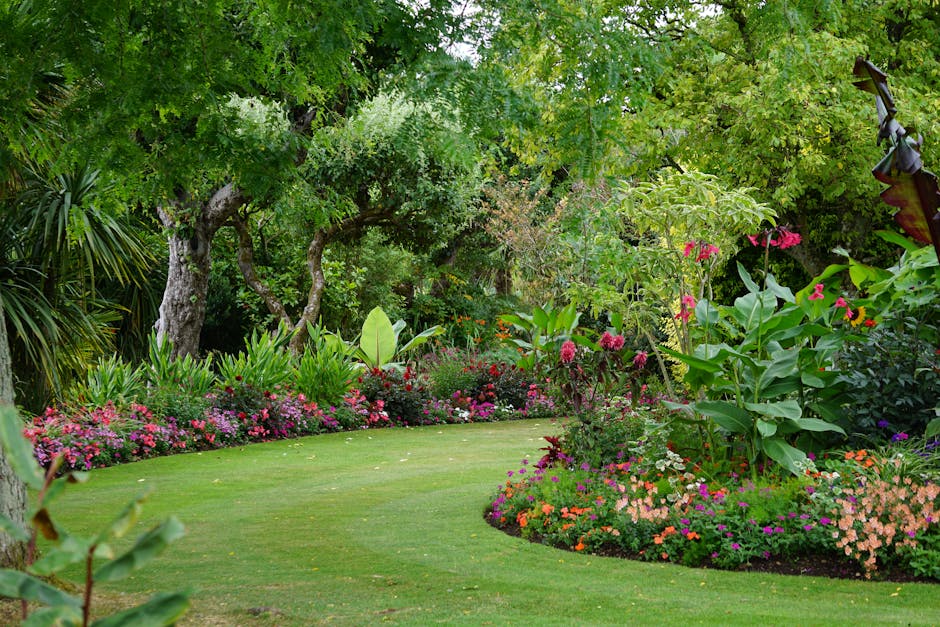
If you are trying to compare garden maintenance prices Fitzrovia W1T postcode, you are probably dealing with a very ordinary London problem that still takes a bit of thinking: what should a fair price look like, what is included, and how do you tell the difference between a decent quote and a rushed one? In Fitzrovia, gardens can be compact, awkwardly accessed, shared, paved, or tucked behind mews-style properties, so the price often depends more on the job than on the postcode alone.
This guide breaks the process down in plain English. You will see what affects garden maintenance pricing, how quotes are usually built, where people overpay, and how to compare offers without getting caught up in vague wording. It also covers practical checks, service options, and a few local realities that matter in central London. No fluff. Just the stuff that helps you make a sensible choice.
Why comparing garden maintenance prices in Fitzrovia matters
Garden maintenance looks simple from the outside. A mow here, a prune there, maybe a quick tidy-up and done. But in practice, the work can vary a lot. One garden might need only routine lawn care. Another may need hedge trimming, weed control, leaf clearance, and a full reset after a few weeks of neglect. That is why comparing prices properly matters so much.
In Fitzrovia, where outdoor space is often limited and access can be fiddly, the gap between quotes can be surprisingly wide. A lower quote may sound appealing, but if it leaves out waste removal, includes only a very light tidy, or assumes easy access that your property simply does not have, it can become poor value pretty quickly. To be fair, the cheapest quote is rarely the best one.
There is also the matter of consistency. Many people do not want a one-off blitz. They want reliable upkeep that keeps the space looking cared for through the seasons. If you compare garden maintenance prices carefully, you are really comparing service levels, not just numbers. That shift in thinking makes the whole process easier.
If you want a broader overview of what a professional service may cover, it can help to look at the site's garden maintenance service details and the wider services overview first. That gives you a cleaner baseline before you start weighing up costs.
How comparing garden maintenance prices usually works
The basic process sounds straightforward: collect a few quotes, compare them, and pick the one that feels right. In reality, the comparison only works well if each quote is based on similar information. Otherwise, you are comparing apples with pears, which is a bit of a trap.
A proper comparison usually considers:
- the size of the garden or outdoor space
- how often the work is needed
- what kind of tasks are included
- how difficult access is
- whether waste needs to be removed
- if the space needs a one-off clean-up before regular visits begin
Some providers price by visit. Others prefer a regular maintenance plan. Both approaches can work well. A one-off visit might suit a garden that only needs seasonal attention. Ongoing maintenance is usually better for places where beds, hedges, and lawns need steady care and a more polished look. If you have ever seen a garden go from tidy to unruly in just a fortnight, you will know exactly why regularity matters.
When asking for pricing, a useful trick is to describe the garden in practical terms rather than just saying "small" or "medium". Mention whether there is a lawn, a hedge, decking, pots, raised beds, or a mix of surfaces. If there is anything awkward, say so. It saves time and gives you a far more realistic comparison.
For services that include heavier clear-outs, you may also want to look at garden clearance, because a garden that has been neglected for a while may need a different approach before maintenance can begin properly.
Key benefits and practical advantages
Comparing prices is not just about saving money, although that is part of it. Done well, it helps you make a smarter decision and avoid the kind of small frustrations that add up over time.
Here are the main advantages:
- Better value for money. You can see what is actually included, not just the headline price.
- Cleaner expectations. The work scope becomes clearer before anyone starts.
- Fewer surprises. You are less likely to be hit with add-on charges after the job begins.
- More suitable service match. You can choose a provider that suits your garden's needs rather than the cheapest box-ticker.
- Improved ongoing results. Regular maintenance works better when it is built around the right schedule and tasks.
There is another benefit people sometimes overlook: confidence. Once you have compared a few realistic quotes, you tend to feel more settled about the decision. That matters. Nobody wants to keep wondering whether they paid over the odds every time the gardener turns up.
For a home or rental property in central London, this can also help with presentation. A neat front area, tidy borders, and controlled growth all make a difference. Not dramatic, perhaps. But enough to be noticed. You feel it when you walk up to the door on a wet Tuesday morning and the place still looks cared for.
Who this is for and when it makes sense
This topic is relevant to a few different people, and their priorities are not always the same. Some want the best price. Some want reliability. Some want a one-off rescue job after months of overgrowth. Truth be told, the right answer depends on what you are trying to solve.
This is especially useful for:
- homeowners who want a steady maintenance routine
- landlords who need outdoor areas kept presentable
- tenants responsible for a private garden or courtyard
- property managers looking after small external spaces
- busy professionals who want the job handled without chasing it every week
It also makes sense if your garden has mixed needs. For example, a lawn may need regular mowing while hedges only need occasional trimming. In that case, comparing a maintenance plan against separate service calls can be a very practical move.
Some clients in Fitzrovia are not really looking for "gardening" in the traditional sense at all. They have patios, planters, a few shrubs, and maybe a narrow strip of soil that collects leaves like nobody's business. That still counts. And it still needs a price check.
If you are trying to match service type to likely cost, browsing related pages such as lawn mowing, hedge trimming, or even landscaping can help you understand where the work begins and ends.
Step-by-step guidance
Here is a simple way to compare quotes without making it more complicated than it needs to be. One small note: a good comparison starts before the quote arrives.
- List the actual tasks you need. Do you need mowing, trimming, weeding, dead leaf removal, border tidying, or all of the above?
- Describe the site clearly. Mention access gates, steps, shared entrances, basement courtyards, or awkward corners.
- Ask what the quote includes. Check whether waste removal, supply of tools, and disposal are covered.
- Check frequency. A weekly, fortnightly, or monthly plan will usually price differently.
- Compare like for like. Do not compare a one-off tidy with a full maintenance visit and assume the cheaper one is better.
- Review flexibility. Can the provider adjust if the garden becomes overgrown or seasonal work increases?
- Look at clarity, not just cost. A clear quote with plain wording is often worth more than a vague low number.
In my experience, the most useful quotes are the ones that answer questions before you even ask them. They state the scope, mention any likely extras, and do not hide behind broad language. That is usually a good sign. Not always, but usually.
If you need a clearer starting point for what the provider offers overall, pricing and quotes is a useful page to review alongside any estimate you receive.
Expert tips for better results
When people compare prices only by headline figure, they often miss the things that affect real value. Here are the details worth paying attention to.
- Ask about waste handling. Green waste can take time and effort to remove. If it is not included, the cheap quote may become less attractive.
- Check tool assumptions. Some jobs need specialist equipment, especially for dense hedging, uneven surfaces, or higher growth.
- Match the visit to the season. Spring growth and autumn leaf fall often change the workload. A garden that looks easy in April can be more demanding by late summer.
- Be honest about condition. If the garden has not been touched in a while, say so. Nobody wins if the first visit is underquoted.
- Think in terms of maintenance rhythm. A garden kept on top of is generally cheaper to maintain than one that swings between tidy and overgrown.
A useful little habit: take two or three quick photos before asking for a price. One wide shot, one of the trickiest area, and one of any waste pile or overgrown section. That can make comparisons much more accurate. Nothing fancy. Just practical.
Also, do not be afraid to ask whether the provider can recommend a maintenance interval. Sometimes fortnightly is ideal. Sometimes monthly is enough. Sometimes the garden simply needs a seasonal touch-up and that is it. Simple, really.
Common mistakes to avoid
A lot of pricing confusion comes from a few very ordinary mistakes. They are easy to make, especially if you are busy.
- Choosing the cheapest quote without checking what is included. This is the classic one. A bargain can turn into a half-finished job.
- Comparing different service scopes. If one quote includes hedge trimming and another does not, they are not equal.
- Ignoring access issues. Central London gardens often have narrow routes, shared access, or awkward entry points.
- Forgetting about seasonal changes. A maintenance job in winter is rarely the same as one in peak growing season.
- Not asking about ongoing plans. Some gardens need repeat work, not just a one-off tidy.
- Assuming "maintenance" means the same thing everywhere. It does not. One provider may mean light tidying; another may include lawn care, edging, and more thorough attention.
It sounds obvious when written down, but in real life people often skip the boring questions. Then later they are annoyed, which is fair enough. Ask the boring questions first. They save headaches.
If overgrowth has spilled into trees, or you are dealing with branches that are becoming a safety issue, a separate service such as tree lopping and removal may be more appropriate than standard maintenance alone.
Tools, resources and recommendations
You do not need a toolbox full of gadgets to compare prices well. What you do need is a clear set of notes and a way to measure offers sensibly.
Helpful things to have ready:
- a rough sketch or mental layout of the garden
- recent photos of the space
- a short list of required tasks
- preferred visit frequency
- any access notes, such as side gates or shared entrances
- questions about waste removal, timing, and follow-up visits
It can also help to use a simple comparison grid. Nothing fancy. Just columns for task list, frequency, waste disposal, access assumptions, price, and notes. When the quotes are on the same page, the right choice usually stands out more clearly.
For readers who want a more complete picture of the services available, the site's services overview and recycling and sustainability pages can be useful context. The latter is particularly relevant if you care about how green waste is handled, which many people do now, quite rightly.
Law, compliance, standards, or best practice
Garden maintenance is not the most heavily regulated purchase you will ever make, but there are still sensible standards to look for. In London, especially, good practice matters because property layouts can create safety and access challenges.
At a practical level, you want a provider that takes safe working seriously, manages tools responsibly, and handles waste in a tidy way. If machinery is used, there should be a sensible approach to risk, protective equipment, and site awareness. If access is tight, staff should be careful around paths, steps, and shared spaces. No drama, just professionalism.
It is also reasonable to expect clear pricing, understandable terms, and straightforward communication about what is and is not included. For service businesses, trust is built in the small details. Clear quotes. Punctuality. No messy surprises. That kind of thing.
Where waste removal or disposal is involved, ask how the provider handles it. You do not need a lecture, just a direct answer. Likewise, if you want reassurance about business practices, the site's health and safety policy, insurance and safety, and terms and conditions pages are sensible places to look before booking.
Best practice, in short, means this: clear scope, safe work, fair expectations, and a quote that actually reflects the garden in front of you.
Options, methods, or comparison table
There is more than one way to arrange garden maintenance, and the best option depends on the space, frequency, and budget. Here is a simple comparison to make the decision easier.
| Option | Best for | Typical strengths | Watch-outs |
|---|---|---|---|
| One-off tidy | Overgrown or neglected gardens | Quick reset, useful before a move or event | May not keep the garden tidy for long |
| Regular maintenance | Homes that want a consistently neat look | Better long-term presentation and control | Needs a regular budget commitment |
| Task-specific visits | Gardens with isolated needs like hedges or lawn care | Targeted, flexible, easy to schedule | Can become fragmented if several tasks are needed |
| Broader outdoor care | Properties needing more than simple upkeep | Can cover landscaping, hedges, and structural improvements | Usually a larger investment |
If your garden is more than basic upkeep, it can be worth considering whether you need a maintenance visit or a more joined-up outdoor plan. In some cases, landscape gardening or decking services may sit alongside maintenance rather than replace it. That is a useful distinction. It stops you from trying to solve a bigger problem with a smaller service.
Case study or real-world example
Here is a realistic example from a Fitzrovia-style property situation. Imagine a compact rear garden with a small lawn, a couple of shrubs, a narrow paved section, and a hedge along one boundary. It looks simple enough at first glance, but there are a few details that change the quote:
- access is via a narrow side path
- the hedge needs careful trimming rather than a quick chop
- there are bags of green waste to remove
- the garden has not been maintained for several weeks
One quote may come in low because it assumes easy access and a light tidy. Another may be higher because it allows for the extra time, waste handling, and the hedge work. The higher quote might actually be the more realistic one. That is the sort of thing people only notice after they have stood outside with a cup of tea and thought, "Ah, I see why that took longer than expected."
In a case like this, the better decision is usually the quote that explains itself best, not necessarily the cheapest one. If the provider is specific about the tasks and time involved, that is a promising sign. It suggests they have looked properly, not just guessed from a distance.
Practical checklist
Use this before you accept any quote. Short, simple, and honestly quite effective.
- Have I listed every task I need done?
- Have I described access clearly?
- Do I know whether waste removal is included?
- Have I checked whether the quote is for one-off work or ongoing maintenance?
- Am I comparing similar service scopes?
- Have I asked about seasonal changes or repeat visits?
- Do I understand any extra charges that might apply?
- Have I looked at the provider's terms and safety information?
- Does the quote sound clear and practical, not vague?
- Would I be comfortable using this provider again next month?
Expert summary: The best garden maintenance price is not the lowest number on the page. It is the quote that matches the real condition of your garden, includes the work you actually need, and leaves you with a tidy result you can rely on.
That sounds straightforward, and in fairness it mostly is. The key is slowing down just enough to compare properly.
Conclusion
If you want to compare garden maintenance prices in Fitzrovia W1T postcode with confidence, focus on clarity before cost. Look closely at what the quote includes, how often the work will happen, whether access and waste are accounted for, and whether the service is built for your specific garden rather than a generic one.
In a dense part of London, small outdoor spaces can be more demanding than they look. A tidy courtyard, a trimmed hedge, or a consistently kept lawn can make a property feel calmer and more welcoming almost instantly. Not flashy. Just better. And sometimes that is exactly what you want.
If you are ready to move from comparing to choosing, review the relevant service pages, make a clear note of your garden's condition, and ask for a quote that reflects the real job. That is the safest, most sensible way to do it.
Get a free quote today and see how much you can save.
A well-kept garden has a quiet kind of value. You notice it every time you step outside.
Frequently Asked Questions
What affects garden maintenance prices in Fitzrovia W1T postcode?
The biggest factors are garden size, access, how often the work is needed, the condition of the space, and whether waste removal is included. A compact garden can still cost more than expected if access is awkward or the work is detailed.
Is a one-off tidy cheaper than regular maintenance?
Usually a single visit is cheaper in the short term, but regular maintenance often gives better value over time. A garden that is kept on top of tends to need less heavy work later, which can make the overall spend more manageable.
How do I compare quotes fairly?
Compare the same tasks, the same frequency, and the same assumptions about access and waste. If one quote includes hedge trimming and another does not, you are not comparing like for like, and the lower figure may be misleading.
Do small gardens cost less to maintain?
Not always. Small gardens can still take time if they have difficult access, lots of planting, or detailed trimming. In central London, the shape and setup of the garden often matter as much as the size.
Should waste removal be included in the price?
Ideally, yes, or at least it should be explained clearly. Waste handling can make a noticeable difference to the final cost, so it is worth asking before you accept a quote.
How often should a garden in Fitzrovia be maintained?
That depends on the space and the season. Some gardens need weekly or fortnightly attention, while others are fine with monthly or seasonal visits. The best interval is the one that keeps growth under control without overpaying for unnecessary visits.
What if my garden has become overgrown?
You may need a clearance visit before regular maintenance begins. If the space has been left for a while, a service like garden clearance is often a more realistic starting point than standard upkeep alone.
Can I combine lawn care and hedge trimming in one quote?
Yes, and that is often sensible. Combining tasks can make pricing more efficient and give you a more complete result, especially if the garden needs both routine mowing and more detailed cutting back.
What should a clear quote include?
A clear quote should outline the tasks, frequency, waste disposal, access assumptions, and any likely extras. It should be easy to understand without needing to decode it. If the wording is too vague, ask for clarification.
Are higher quotes always better?
No. A higher quote can be justified, but only if it includes more work, better service, or more realistic time for the job. The best option is the one that fits the actual garden and gives you a result you can trust.
How do I know if I need maintenance or landscaping?
If you mainly need upkeep, maintenance is usually the right fit. If the space needs redesign, structural changes, or more involved improvement work, landscaping or landscape gardening may be more suitable.
Where can I check broader service details before booking?
It can help to review the site's service information, especially the garden maintenance, lawn mowing, hedge trimming, and pricing and quotes pages. That gives you a stronger basis for comparison before you make any decision.