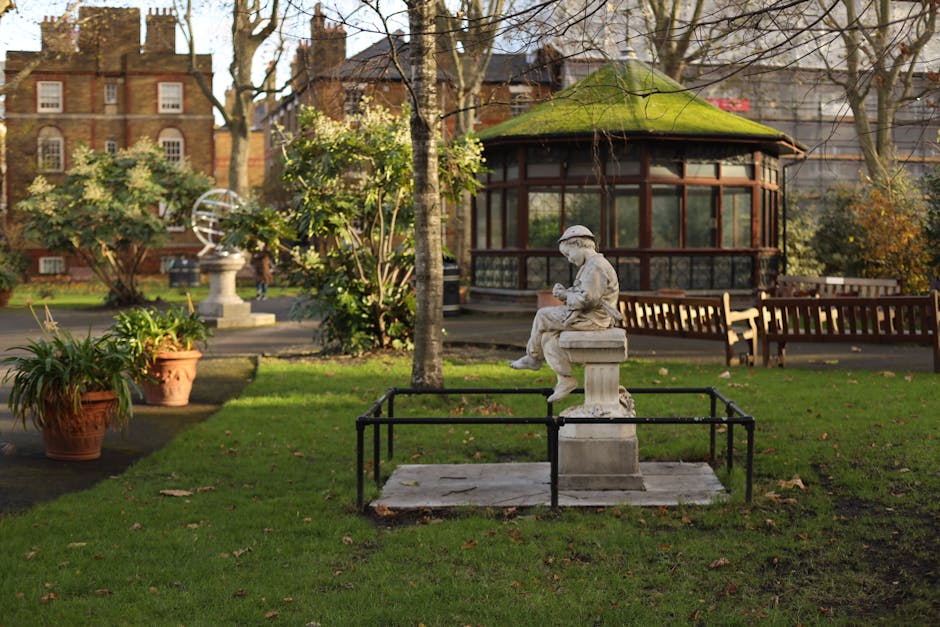
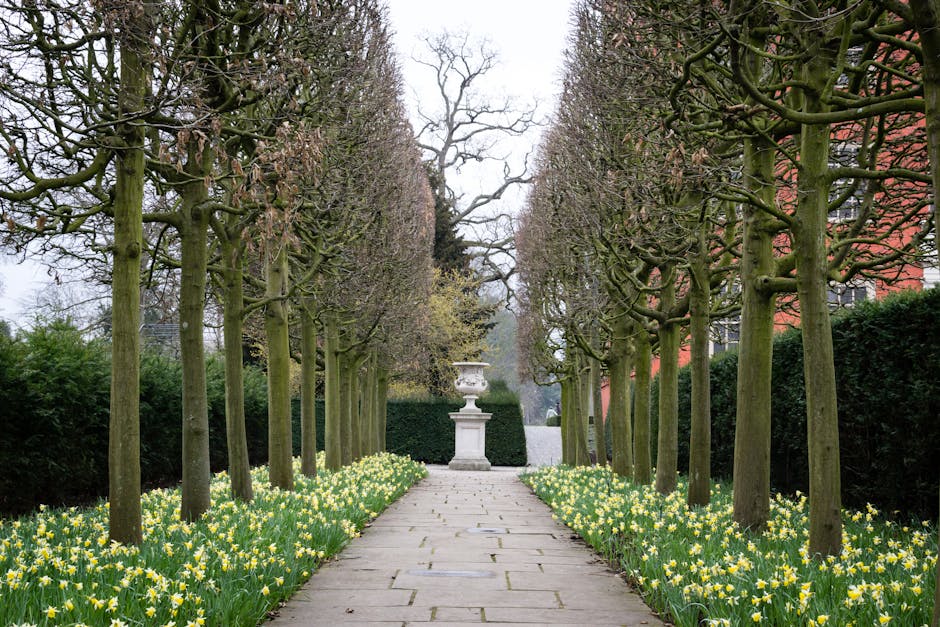
Expert gardeners Fitzrovia guide Great Portland Street gardens
If you manage a small courtyard, a shared frontage, or a tucked-away private garden near Great Portland Street, you already know the challenge: city gardens look simple from the pavement, but they can be surprisingly demanding up close. Shade from tall buildings, compacted soil, wind tunnels, awkward access, and that constant London mix of dust and neglect can make even a neat plot feel a bit tired. This Expert gardeners Fitzrovia guide Great Portland Street gardens is here to make the next step clearer.
Whether you are trying to bring a space back to life, keep a rental property presentable, or choose a reliable local gardener, the goal is the same: a garden that looks cared for, works properly, and stays manageable through the year. In practice, that means sensible maintenance, good plant choices, clean edges, seasonal planning, and a realistic approach to what city gardens can actually support. Not glamorous. Just solid, professional, and honestly rather satisfying.
Throughout this guide, you will find practical advice on how expert gardeners in Fitzrovia approach Great Portland Street gardens, what services are typically useful, where people often go wrong, and how to decide what level of help makes sense. If you want to explore the wider service offering first, the services overview is a useful place to start, and for cost planning you can also review the pricing and quotes page.
Table of Contents
- Why Expert gardeners Fitzrovia guide Great Portland Street gardens Matters
- How Expert gardeners Fitzrovia guide Great Portland Street gardens Works
- Key Benefits and Practical Advantages
- Who This Is For and When It Makes Sense
- Step-by-Step Guidance
- Expert Tips for Better Results
- Common Mistakes to Avoid
- Tools, Resources and Recommendations
- Law, Compliance, Standards, or Best Practice
- Options, Methods, or Comparison Table
- Case Study or Real-World Example
- Practical Checklist
- Conclusion
- Frequently Asked Questions
Why Expert gardeners Fitzrovia guide Great Portland Street gardens Matters
Great Portland Street sits in a part of London where gardens are often compact, visible, and expected to look tidy all year. That sounds straightforward until you factor in the realities of urban gardening: less root space, more shade, fast-draining containers, and a lot of wear from foot traffic, pigeons, pollution, and dry spells. Expert gardeners understand that a city garden is not just a smaller version of a suburban one. It behaves differently.
In Fitzrovia, a garden can be a business frontage, a residential courtyard, a roof-adjacent terrace, or a shared strip behind a building. Each type needs a slightly different approach. A front garden may need crisp presentation and reliable mowing. A communal yard might need tidy planting and simple access routines. A private terrace could need container management, irrigation checks, and seasonal refreshes. The point is not simply to make it look nice for a week. The point is to build a routine that holds up.
That is why a local guide matters. Expert gardeners who know Fitzrovia and the wider Great Portland Street area are more likely to understand practical constraints like narrow entrances, limited storage for tools, and the need for low-disruption visits. They also tend to be more realistic about plant survival in local conditions. To be fair, that realism saves people money. A lot of it, sometimes.
There is also a trust factor. When you hire someone to work on a shared or visible outdoor space, you want more than enthusiasm. You want proper maintenance habits, safe working methods, and clear communication. If you are comparing providers, it helps to check details such as insurance and safety and the company's health and safety policy. Those pages matter because they tell you whether the service is set up for real work, not just nice promises.
How Expert gardeners Fitzrovia guide Great Portland Street gardens Works
At a practical level, expert garden care in this part of London usually begins with a site review. A good gardener will look at sun and shade, soil condition, drainage, access, existing plant health, and the frequency of use. They may also check whether the garden needs one-off recovery work or a regular maintenance schedule. That first assessment is often where the real value appears, because it reveals what is causing the problems rather than just what the problems look like.
For example, if a lawn near Great Portland Street keeps thinning out, the issue may not be mowing height alone. It could be compacted ground, too much shade, shallow soil, or simple drought stress in summer. Likewise, if borders look scruffy, the fix may not be "plant more". It could be better pruning timing, mulch, edging, or replacing species that never really suited the space. Expert gardeners tend to think in systems, not isolated tasks. That is what separates a thoughtful service from a quick tidy-up.
Most good garden programmes then fall into a rhythm:
- Initial tidy-up to reset the space
- Seasonal maintenance to keep growth under control
- Targeted improvements such as replanting, soil work, or lawn repair
- Ongoing monitoring so small issues do not become expensive ones
In city settings, the approach must stay flexible. Weather can swing from wet and cool to unexpectedly dry in a matter of days, and gardens on Great Portland Street may be exposed to wind in ways that are not obvious until you spend time there. A skilled gardener adjusts watering, pruning, and feeding accordingly. That sort of judgement is hard to fake, truth be told.
If you are arranging regular support, it is sensible to ask how visits are scheduled and how waste is handled. Clear payment terms help too, so the admin side does not become a nuisance later. The payment and security page is useful if you want to understand how a provider handles that side of the arrangement.
Key Benefits and Practical Advantages
People usually think of gardening services as a visual upgrade, and yes, that matters. But the real advantages run deeper than appearance. A well-managed garden in Fitzrovia is easier to live with, easier to maintain, and less likely to throw up annoying surprises when you are already busy.
Here are the main benefits you should expect:
- Better curb appeal: tidy lawns, clipped edges, healthy planting, and cleaner sightlines make a strong first impression.
- Lower long-term stress: regular maintenance reduces the need for big rescue jobs later on.
- Healthier plants: correct pruning, feeding, and watering usually matter more than occasional heavy intervention.
- Safer, more usable spaces: fewer trip hazards, better pathway clearance, and controlled growth around access points.
- More realistic planting choices: urban-tolerant shrubs, perennials, and containers often outperform fussy species.
- Better value for money: a steady plan is usually more cost-effective than repeated emergency callouts.
There is also a quieter benefit that people do not talk about enough: a maintained outdoor space changes how a property feels. A small courtyard with fresh mulch, healthy foliage, and a clean edge can feel calmer before you even step into it. You notice the difference at 8:30 on a grey weekday, or late afternoon when the light catches the planting and the place suddenly looks cared for. That sense of order is not trivial.
For many clients, sustainability is part of the value too. Responsible green waste handling, reduced material waste, and sensible planting all contribute to a better long-term result. If that matters to you, it is worth reading about recycling and sustainability before making a decision.
Who This Is For and When It Makes Sense
This kind of expert garden guidance is useful for a wide range of people, but it is especially relevant if you are responsible for a space that needs to look presentable without demanding your whole week.
You may benefit most if you are:
- a homeowner trying to revive a tired urban garden
- a landlord or property manager needing reliable upkeep between tenancies
- a business owner with a frontage, planter area, or shared outdoor space
- a resident managing a communal courtyard or terrace
- someone who enjoys the idea of a garden but not the endless catching up
It also makes sense if you have already tried to manage the garden yourself and found that it keeps slipping. That happens more often than people admit. Life gets in the way. One weekend becomes two, then a fern goes brown, the lawn gets patchy, and suddenly the whole thing feels bigger than it should. A local gardener can break that cycle.
There are moments when a one-off visit is enough. Other times, regular maintenance is the better call. If the garden has healthy structure but just needs seasonal attention, then a periodic schedule works well. If there is overgrowth, poor soil, neglected beds, or damaged lawn areas, you may need an initial restoration phase first. That is usually the sensible route, even if it sounds less exciting. Gardens, annoyingly, reward patience.
Quick rule of thumb: if the space causes you mild dread every time you look at it, it probably needs a proper plan rather than another quick trim.
Step-by-Step Guidance
If you want to approach Great Portland Street garden care in a structured way, this is the sequence that tends to work best. It is simple, but that is often the point.
- Walk the space properly. Look at sunlight, drainage, damaged areas, access points, and what feels awkward to maintain.
- Separate urgent jobs from cosmetic ones. Safety and plant health come first; aesthetics come right after.
- Decide what the garden needs to do. Is it for relaxing, presenting, entertaining, screening, biodiversity, or all of the above?
- Choose the right maintenance level. A simple trim schedule, a seasonal tidy, or a more complete care plan may be appropriate.
- Use planting that fits the site. Shade-loving plants for shaded corners, drought-tolerant species for exposed terraces, and compact varieties for small plots.
- Set a realistic calendar. Spring, early summer, late summer, and autumn each need different attention.
- Review after the first few visits. If the garden responds well, keep the rhythm. If not, adjust the plan.
A good gardener will talk you through these steps in plain English. They should explain what they are doing and why, not just disappear into the shrubbery and return with a bill. The best jobs often feel calm and methodical. Little surprises, fewer shortcuts.
If you are comparing service levels, it is worth asking what is included in each visit and how extras are handled. That way, you avoid misunderstandings later. A clear route through the work makes the entire process much easier to trust.
Expert Tips for Better Results
Some gardens improve quickly once the basics are done. Others need a bit of finesse. The following tips are the ones local professionals tend to rely on because they work in real city conditions, not just in idealised garden-centre brochures.
1. Prioritise structure before decoration
People often rush to flowers and forget the framework. Edging, pruning, soil condition, and path clearance shape how a garden reads. Get those right first and the rest becomes easier. A lovely border still looks messy if the edge is unclear. Harsh but true.
2. Use containers strategically
In Fitzrovia and around Great Portland Street, containers can be a smart answer to limited ground space. They help with seasonal colour, privacy, and flexible design. Just keep in mind that pots dry out faster, especially in wind or near building walls. Watering needs to be consistent, not occasional.
3. Mulch is underrated
A decent mulch layer helps conserve moisture, suppress weeds, and improve the look of beds. It is one of those jobs that does not shout for attention, but the difference becomes obvious after a few weeks. Less shouting from weeds, anyway.
4. Match plants to the light you actually have
Many poor outcomes come from buying plants for a dream version of the garden rather than the garden itself. A bright label at the nursery is not a guarantee. If your space gets only a few hours of sun, choose accordingly.
5. Keep maintenance simple enough to repeat
A complicated plan is the enemy of consistency. The best urban garden systems are easy to repeat after a busy week. If a routine takes too much effort to sustain, it usually collapses by October.
For some clients, the smartest move is a tidy, low-maintenance layout rather than trying to create a high-input showpiece. That is not settling. It is good design.
Common Mistakes to Avoid
Expert gardeners spend a lot of time undoing mistakes that were made with good intentions. The most common ones are surprisingly ordinary.
- Overwatering: especially in containers and shaded areas where evaporation is slower.
- Cutting too hard at the wrong time: some shrubs and climbers respond badly to heavy pruning outside the right season.
- Choosing plants that need more sun than the site can offer: they may survive for a while, then steadily decline.
- Ignoring access and storage issues: if tools are awkward to store or move, the garden will feel harder to maintain.
- Trying to fix everything at once: that usually leads to rushed work and missed details.
- Letting waste pile up: clippings, dead growth, and broken containers make a garden look neglected fast.
Another mistake is underestimating how quickly a garden can tip from "nearly fine" to "needs a proper tidy". In a dense city area, a couple of missed weeks can be enough. It happens. One wet spell, then a burst of growth, then suddenly you are staring at a hedge that seems to have opinions.
Avoiding those problems is less about being perfect and more about staying consistent. Expert gardeners are good at building that consistency into the work, which is why regular maintenance often beats occasional rescue jobs.
Tools, Resources and Recommendations
The right tools make a visible difference, especially in smaller London gardens where neatness and efficiency matter. You do not need a van full of specialist kit for every job, but the basics should be reliable and appropriate.
Commonly useful tools and resources include:
- sharp hand tools for pruning and edging
- a dependable mower or strimmer where lawns are present
- gloves suited to thorny or heavy-duty work
- watering cans, hoses, or drip irrigation for containers and beds
- mulch, compost, and soil improvers used sensibly rather than generously for its own sake
- waste sacks or collection arrangements for green waste
One practical recommendation: keep a simple garden note, even if it is only a few lines on your phone. Record what was planted, when pruning happened, and which areas dried out first. It sounds almost too basic to mention, but small records help a lot when conditions vary from month to month. You remember less than you think you do. Gardens are like that.
If you are choosing a provider, check whether they explain their process clearly and handle customer concerns in a structured way. The complaints procedure can be a useful signal that a business is organised and accountable. And if you need to know more about accessibility or site use, the accessibility statement may also help.
Law, Compliance, Standards, or Best Practice
For most garden maintenance work in London, the practical concern is not legal complexity so much as good practice: safe working, reasonable care, proper insurance, and respect for neighbouring properties. If work involves power tools, waste removal, ladders, or access through shared areas, the provider should be able to explain how risks are managed.
It is sensible to expect:
- clear communication before work starts
- care around slip, trip, and cut hazards
- thoughtful disposal or recycling of green waste
- appropriate insurance and safe methods for the job
- respect for access routes, residents, and neighbours
For larger or more complex properties, especially shared buildings, you may also want reassurance on how the service behaves around security and site etiquette. The insurance and safety information is a helpful reference point here. It is not glamorous reading, admittedly, but it does help you judge whether the operation is properly set up.
Responsible garden care should also include environmentally sensible disposal practices where possible. If clippings, prunings, and soil waste are being removed, ask how they are handled. Small details matter. They always do.
Options, Methods, or Comparison Table
Not every garden needs the same level of care. A tidy-up visit, a regular maintenance plan, and a restoration project all solve different problems. Choosing the right one saves time and avoids paying for work you do not actually need.
| Approach | Best for | Main benefit | Typical limitation |
|---|---|---|---|
| One-off tidy-up | Overgrown but otherwise healthy spaces | Fast visual improvement | Problems may return if no follow-up is planned |
| Regular maintenance | Front gardens, courtyards, shared spaces | Consistent presentation and lower long-term effort | Needs commitment to schedule |
| Restoration project | Neglected or damaged gardens | Resets structure and plant health | Can take longer and require more budget |
| Low-maintenance redesign | Busy households or rental properties | Easier upkeep and fewer recurring headaches | May reduce variety if done too conservatively |
If you are unsure which route fits best, a short assessment is usually enough to point you in the right direction. That first conversation matters more than people think. It stops guesswork, which is nice, because guesswork is expensive in gardens.
Case Study or Real-World Example
Imagine a compact Fitzrovia courtyard near Great Portland Street. It has a small patch of lawn, two overgrown shrubs, a few containers, and paving that has become slippery under leaf fall. Nothing dramatic, just one of those spaces that looks fine from a distance but feels neglected when you step into it.
An expert gardener would likely begin by clearing the dead growth, checking the shrub framework, and deciding whether the lawn is worth repairing or better replaced with a simpler planting scheme. If the lawn gets little light and has poor root depth, repeated patching may be a poor investment. In that case, changing the layout could make more sense. The containers might be refreshed with plants that tolerate shade and irregular watering, and the paving would be cleaned so the whole area feels safer and brighter.
What changes after the first visit is not only the appearance. The garden becomes easier to maintain. The owner knows what to expect each season, what to water, what to prune, and what can be left alone. That clarity is usually the real win. Less fuss. More confidence.
This is the kind of outcome local expert gardeners aim for in Great Portland Street gardens: practical, proportionate, and sustainable over time rather than impressive for a single afternoon.
Practical Checklist
Use this checklist before booking garden work or reviewing your current maintenance plan. It keeps the decision grounded.
- Have I identified the garden's main purpose?
- Do I know which areas are in the worst condition?
- Is the site mostly sunny, shaded, or mixed?
- Do I need one-off help or regular visits?
- Are there safety concerns such as slippery paving, awkward access, or overgrown edges?
- Do I want a low-maintenance result or a more decorative one?
- Have I asked how waste will be removed or recycled?
- Have I checked insurance, safety, and service information?
- Do I understand the likely budget range well enough to compare quotes?
- Will the plan still make sense in three months, not just today?
Expert summary: the best garden care in Fitzrovia is rarely the most complicated. It is the work that fits the space, respects the site conditions, and can actually be maintained without drama.
If you are still weighing up your options, a well-presented local provider with transparent processes is usually the safest starting point. You do not need a perfect garden. You need one that works for your life, your building, and your calendar. That is a very different thing, and a better one too.
Conclusion
Expert gardening in Fitzrovia, especially around Great Portland Street, is about much more than keeping things neat. It is about understanding how city gardens behave, choosing practical solutions, and maintaining a space that feels cared for without becoming a burden. The best results come from honest assessment, regular attention, and decisions that match the realities of the site.
For some people, that means a simple tidy-up and a few smart tweaks. For others, it means a proper maintenance plan, better planting, and a more sustainable way of managing the space. Either way, the right guidance makes the whole job easier. And, perhaps more importantly, calmer.
When a garden works well, you notice it in small moments: the cleaner edge by the path, the healthy leaves after rain, the way the space feels less crowded and more usable. Those details add up. They always do.
Get a free quote today and see how much you can save.
Frequently Asked Questions
What does an expert gardener in Fitzrovia actually do?
An expert gardener typically handles maintenance, pruning, lawn care, planting, seasonal tidy-ups, waste removal, and practical advice on improving a garden's long-term condition. In urban areas like Fitzrovia, they also think about access, shade, compact spaces, and low-maintenance design.
How often should Great Portland Street gardens be maintained?
It depends on the size of the garden and how much growth it gets, but many city gardens benefit from regular visits during the growing season and lighter checks at other times. A visible frontage may need more frequent attention than a private terrace.
Is a one-off garden tidy-up enough?
Sometimes, yes. If the garden is basically healthy but has become untidy, a one-off visit can reset it. If the space keeps deteriorating, regular maintenance is usually the better option because it prevents repeated overgrowth and stress.
What should I ask before hiring a local gardener?
Ask what services are included, how they handle waste, whether they carry appropriate insurance, how they manage safety, and whether they have experience with similar urban spaces. It also helps to ask how they would prioritise your garden if the budget is limited.
Do small Fitzrovia gardens need specialist care?
Often they do, because small gardens can be more sensitive to shade, drainage problems, and container drying. A specialist approach helps avoid overwatering, poor plant choices, and design choices that make the space harder to maintain.
How do I know whether my lawn should be repaired or replaced?
If the lawn is patchy, shaded, or struggling because the conditions are poor, repeated repairs may not be the best use of money. A good gardener will assess the underlying cause first and recommend repair or replacement based on what the site can realistically support.
Can expert gardeners help with low-maintenance garden design?
Yes. In fact, that is one of the most useful things they can do. A low-maintenance design can reduce weeding, watering, and pruning while still looking attractive. The trick is choosing the right plants and keeping the layout simple enough to manage.
What happens to the garden waste after a visit?
That depends on the provider, but good practice is to remove or recycle green waste responsibly wherever possible. If sustainability matters to you, ask upfront how clippings, branches, and other waste are handled.
Are there safety issues I should think about?
Yes. Slippery paving, hidden debris, sharp tools, uneven access, and overgrown areas can all create hazards. A responsible gardener should work in a way that reduces risk and explain how they handle those issues. Their health and safety policy and insurance and safety information can be useful here.
How can I compare quotes fairly?
Compare what is actually included, not just the headline price. Check whether the quote covers labour, waste removal, follow-up work, and any extra materials. If one quote looks much lower than the others, make sure you understand what has been left out.
What if I have a problem with the service?
If something does not go as expected, raise it promptly and clearly. A professional provider should have a sensible way to deal with concerns. You can also review the company's complaints procedure so you know how issues are handled.
Is there a benefit to choosing a local Fitzrovia-based service?
Usually, yes. A local provider is more likely to understand the conditions, access limitations, and expectations of central London gardens. That familiarity can make recommendations more practical and maintenance more efficient.
Where can I learn more about available services?
The best starting point is the services overview, which gives a clearer picture of the type of work available. If you are ready to plan next steps, the pricing and quotes page is also worth a look.